The roar of the engines, the flash of speed, and the sheer spectacle of Formula 1 never fail to captivate. The recent Australian Grand Prix at Albert Park delivered a thrilling cocktail of high-octane racing, personal triumphs, and indeed, a memorable australian gp celebration. Yet, beneath the fireworks and podium smiles, a significant debate brewed about the sport's evolving rules and, crucially, driver safety. This mixed verdict from Melbourne leaves fans and pundits alike pondering the direction of F1's brave new world.
The Spectacle of Victory: A Champion's Australian GP Celebration
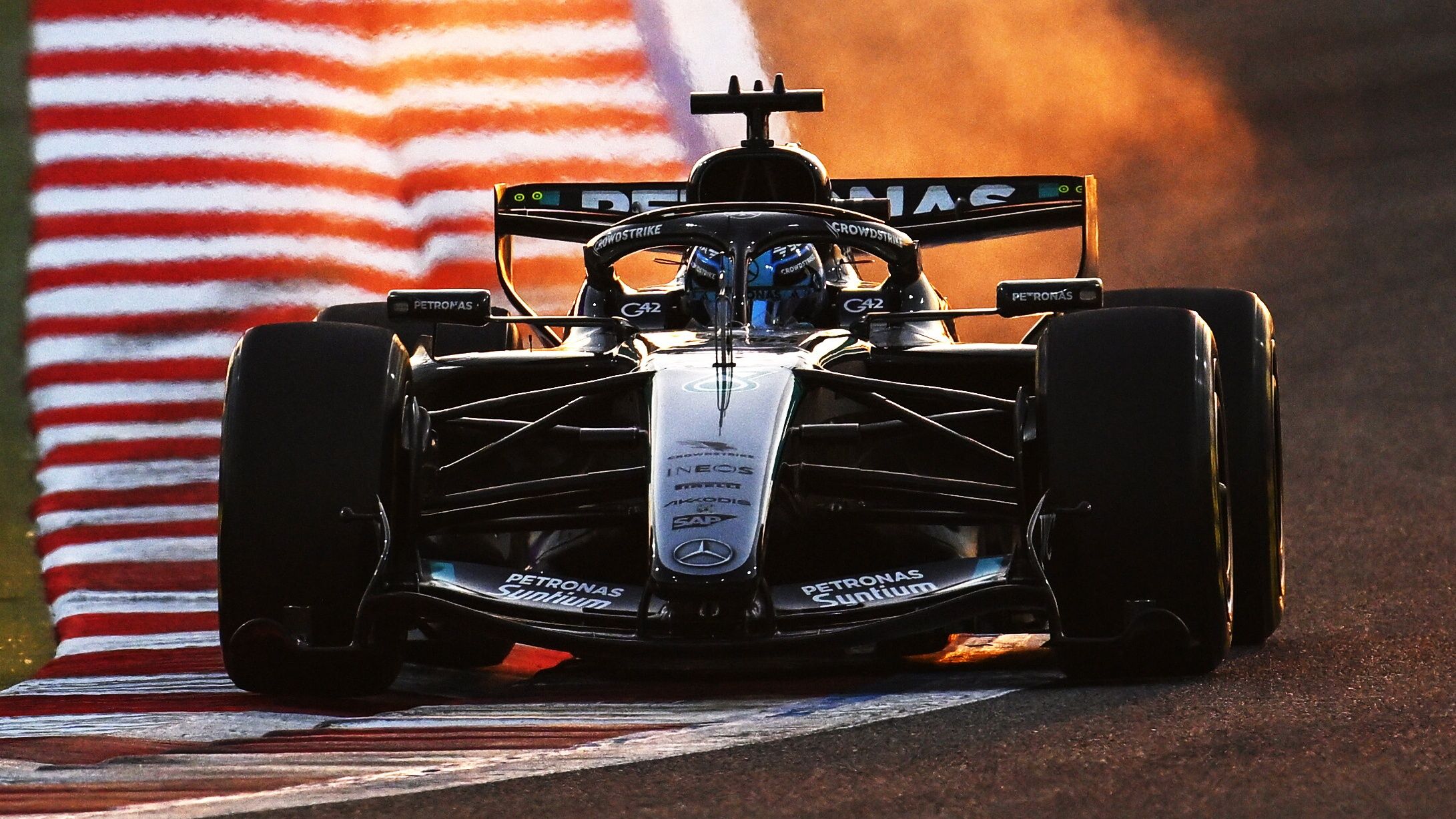
As the checkered flag waved over Albert Park, George Russell's triumphant fist pump from the cockpit of his Mercedes signaled not just a victory, but a moment that perfectly encapsulated the spirit of an Australian GP celebration. Fireworks exploded behind him, painting the Melbourne sky in a dazzling display, while the crowd erupted in applause. Russell’s performance was a masterclass in controlled aggression and strategic brilliance. From the opening laps, he demonstrated remarkable precision, expertly managing his pace and tire life against fierce competition.
His win was a testament to meticulous preparation and a deep understanding of his car and the circuit. The atmosphere around the track became electric in the final laps, with fans on the edge of their seats, anticipating a memorable victory. When it came, it was a profound moment of determination, speed, and teamwork culminating in a champion's glory. This kind of exhilarating finish and the subsequent public display of triumph define what an australian gp celebration means for drivers, teams, and the global F1 audience. It's the pure, unadulterated joy of pushing limits and emerging victorious.
Podium Banter: Rivals, Laughter, and the Release of Pressure
Beyond the individual triumph, the podium ceremony offered a rare glimpse into the camaraderie that often blossoms once the intense pressure of the race has dissipated. George Russell, basking in his victory, graciously attempted to reassure his fierce rival, Charles Leclerc, suggesting that Ferrari hadn't been slow during the race. Leclerc, with characteristic wit, was quick with a playful retort, reminding Russell, “But yesterday mate…”, referencing Ferrari’s qualifying performance.
This light-hearted exchange, laced with competitive history and mutual respect, was a refreshing moment of human connection in a sport often perceived as ruthlessly competitive. It showcased the relaxed atmosphere that can emerge after the adrenaline rush, highlighting the genuine sportsmanship that underlies the rivalry. Such moments of humor add a vital layer to the F1 narrative, allowing fans to connect with the drivers on a more personal level and appreciate the complex dynamic between these elite athletes. It's a reminder that even in the cutthroat world of Formula 1, there's room for banter and mutual admiration.
The Brave New World: Drama, Dissent, and the New F1 Rules
While the australian gp celebration marked a high point, the race itself served as a crucial proving ground for Formula 1's "brave new world" of regulations. The verdict from Albert Park was undeniably mixed. On one hand, the race delivered genuine excitement, especially in the early stages. Ferrari’s feisty scrap with Mercedes hinted at dramatic battles to come, challenging the notion that Russell's victory was a foregone conclusion. Ferrari team principal Fred Vasseur even declared that the opening 12 laps offered "more fun than he had seen in F1 for a decade," a clear endorsement of the new rules' potential to ignite closer racing.
Charles Leclerc went wheel-to-wheel with Russell, deploying the new "overtake mode" which allows drivers to manage their energy strategically for bursts of speed. Russell himself praised the "tactical fight," acknowledging the intricate chess match involved in how drivers could repeatedly come back at one another. This new dynamic aims to promote more overtaking and sustained battling, a significant departure from previous eras where clean air was often paramount. For fans craving action, this aspect of the new rules delivered. However, not everyone shared this enthusiasm. Australian GP Drama: Russell's Win, Ferrari Fight & New F1 Rules suggests the full story is far more complex.
Tips for appreciating the new F1 rules:
- Focus on strategy: Understand that energy management and overtake mode are now key strategic elements, not just brute force.
- Look for the long game: Early overtakes might be reversed, as drivers conserve or deploy energy for later attacks.
- Listen to driver feedback: Their direct experiences offer crucial insights into how these rules play out on track.
Safety Under Scrutiny: Lando Norris's Damning Warning
The most unsettling aspect of the Australian GP's mixed verdict came from the drivers themselves. Lando Norris, who finished fifth, voiced significant complaints, labeling the new energy deployment system "artificial." He argued that positions were being exchanged repeatedly based purely on how drivers deployed their energy reserves, rather than raw pace or skill in traditional overtaking maneuvers. This sentiment was echoed by other drivers, suggesting a fundamental disconnect between the intended outcome of the rules and the on-track reality.
More alarmingly, Norris issued a stark warning about the safety implications of these new regulations. "Depending on what drivers do, you can have closing speeds of 30-50kph," Norris stated after the race. "And when someone hits another driver at that speed, you are going to fly and go over the fence and do a lot of damage to yourself." This is a profoundly serious concern, highlighting the potential for catastrophic accidents due to the rapid closing speeds created by the energy deployment system. In a sport where safety has been paramount for decades, such a warning from a leading driver cannot be ignored.
The consequences of a car flying over the fence could be devastating for both the driver and spectators. F1 has made incredible strides in safety, and any rule that introduces such a significant, unpredictable risk demands immediate and thorough review. While it's premature to cast definitive judgment after only one race, especially as Melbourne is considered an "outlier" circuit in terms of energy management, Norris's concerns underscore a critical area for F1 to address urgently. The new formula's aim for increased drama must not come at the cost of driver safety, a principle F1 has championed for many years.
Adding to the sentiment of a challenging weekend for some, Oscar Piastri, McLaren teammate to Norris and a local favorite, endured an even more torrid day. His struggles further highlighted the varied experiences drivers had navigating the new rules and the unique demands of the Albert Park circuit.
Conclusion
The Australian Grand Prix delivered a truly mixed verdict. George Russell's dominant performance and the ensuing spectacular australian gp celebration were a high point, showcasing the thrill and glory that F1 can offer. The good-natured banter on the podium reminded us of the human element and sportsmanship that endures amidst fierce competition. However, the underlying concerns about the new F1 rules, particularly Lando Norris's stark warnings about safety and the "artificial" nature of the racing, present a significant challenge for the sport's governing bodies.
While the ambition to foster closer racing and more overtaking is commendable, it must never compromise the safety of the drivers. As the season progresses, the scrutiny on these new regulations will undoubtedly intensify. Melbourne provided a fantastic show, a jubilant australian gp celebration for Mercedes, but also served as a crucial early test, hinting at both the promise of more dramatic racing and the imperative for continuous refinement to ensure the sport remains both thrilling and safe.